

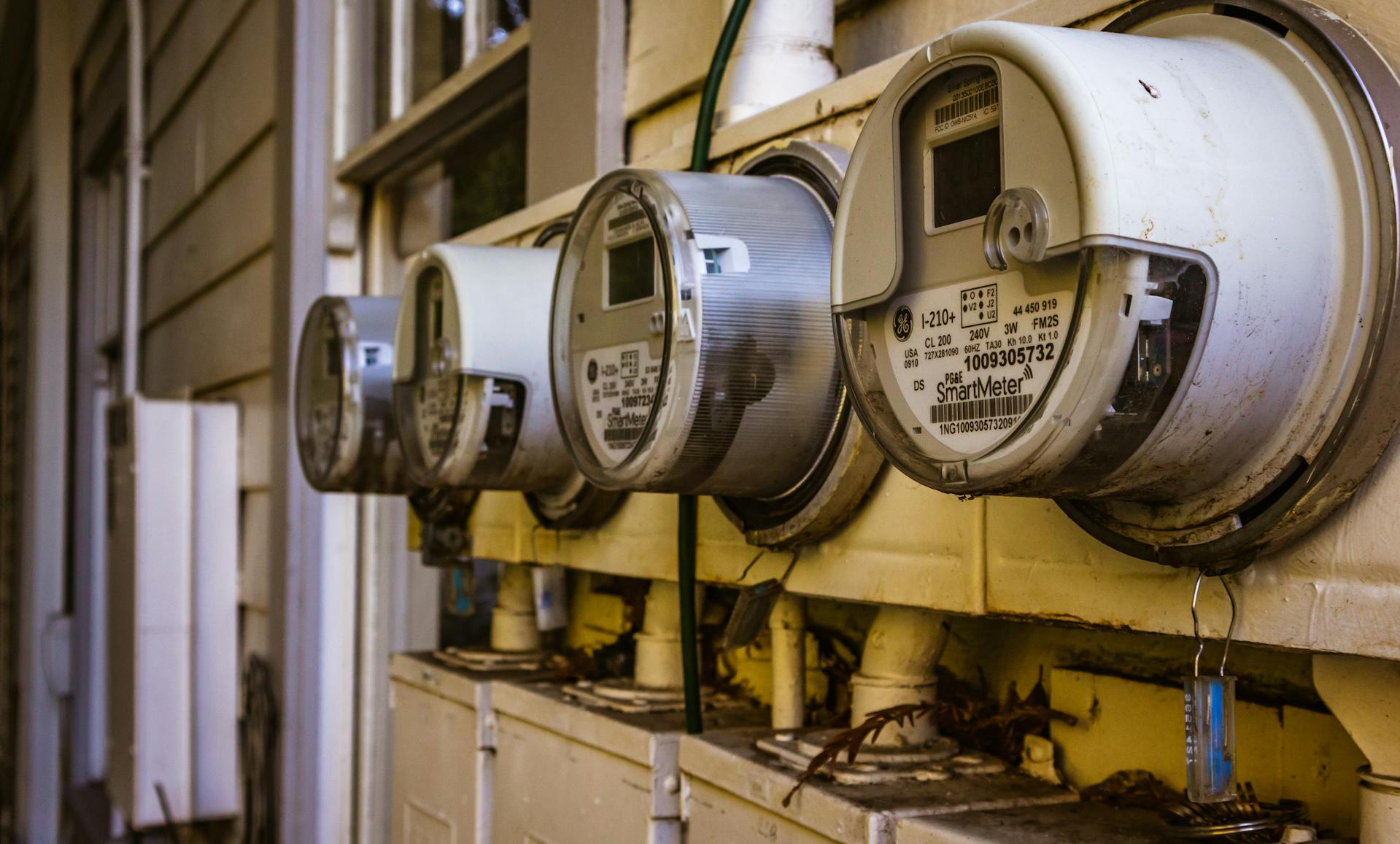
Energy is a constant need in every household. Lights, appliances, and heating systems all depend on it. But the way you pay for energy may look very different depending on where you live. In many states, deregulation has changed how consumers purchase electricity and natural gas, with factors like Ohio natural gas prices highlighting how competitive markets can influence costs. Understanding what energy deregulation means and how it impacts your bill can help you make informed choices that benefit both your budget and your home.
What Energy Deregulation Means
In controlled markets, a single utility company controls both the supply and delivery of electricity or gas. Consumers in those areas have no choice but to accept the rates set by the utility. Deregulated markets separate supply from delivery. Utilities still handle the physical delivery of power, but consumers can choose their supplier. This creates competition, which in theory gives households more control over cost and plan options.
The Role of Utilities and Suppliers
In deregulated areas, the utility company remains responsible for maintaining the infrastructure. That includes power lines, gas pipelines, and emergency repairs. Your chosen supplier, however, sets the rate you pay for the actual energy. This separation ensures reliability while also allowing variety in pricing. Consumers should know that even if they switch suppliers, their utility company still manages outages and technical issues. This division is designed to give you choice without compromising service.
The Influence of Renewable Energy Choices
Deregulated markets often provide more opportunities to select renewable energy plans. Many suppliers now offer electricity generated from wind, solar, or hydro sources. While some of these plans may be slightly more expensive, they give consumers the ability to support cleaner energy production. For households concerned about sustainability, this is a unique advantage of deregulation. It allows your personal values to influence how your energy dollars are spent, without changing how service is delivered to your home.
Impact on Pricing Options
One of the biggest effects of deregulation is the introduction of pricing flexibility. Instead of one flat rate, you may be offered fixed-rate or variable-rate plans. A fixed rate means your price per unit of energy stays the same for the contract period, giving predictability. Variable rates can shift depending on market conditions, which may lower your bill during certain months but raise it in others. By comparing these options, consumers can select what best matches their lifestyle and budget.
Opportunities for Savings

The competition that deregulation introduces often leads to more favorable deals. Suppliers try to attract customers by offering lower rates, sign-up incentives, or added perks. For households willing to compare providers, this can lead to meaningful savings over time. However, savings are not guaranteed. The market can fluctuate, and sometimes fixed rates may end up costing more if overall prices drop. To maximize benefits, consumers must remain active and review their plans regularly.
Risks and Considerations
While deregulation can lower costs, it also introduces complexity. Not all suppliers are equally transparent. Some contracts include hidden fees or steep penalties for early termination. Others may use promotional rates that rise sharply after the initial period. Consumers should read all terms carefully before signing. Reliability remains in the hands of the utility, but customer service quality varies across suppliers. To ensure a positive experience, it is important to research providers and check their reputation.
How It Affects Your Monthly Bill
For many households, the most immediate impact of deregulation is on the monthly bill. If you choose wisely, you might see lower rates or added perks such as rewards programs. If you are not careful, you could pay more due to variable pricing or overlooked fees. The bill itself still comes from your utility, which includes both delivery charges and supply charges. The delivery portion does not change with deregulation, but the supply portion depends entirely on your chosen provider. This distinction is key to understanding …
Read More